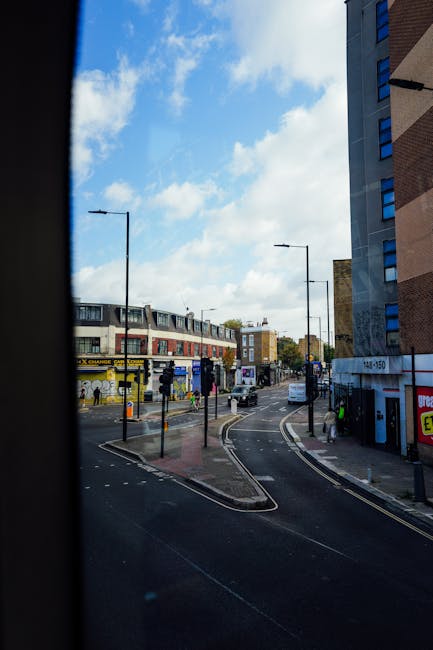
Station Road moves: best routes for West Drayton removals
Posted on 07/05/2026
Planning a move around Station Road in West Drayton is rarely just a question of loading a van and driving off. The route you choose can affect everything: parking access, loading time, stress levels, and whether the move stays on schedule or turns into a slow crawl through narrow streets and awkward junctions. If you are comparing Station Road moves and trying to work out the best routes for West Drayton removals, this guide gives you a practical, local-first way to plan the day properly.
We will cover the routes that usually make the most sense, what to watch for near station-adjacent roads, how to avoid moving-day bottlenecks, and which types of removals benefit from different approaches. Whether you are moving a flat, a family home, an office, or a few pieces of furniture, route choice matters more than many people expect. Truth be told, it is one of the easiest ways to make a move feel calmer.
Why Station Road moves: best routes for West Drayton removals Matters
Station Road sits in a part of West Drayton where timing, road width, and access can have a real impact on your removal day. Even a short move can become surprisingly awkward if your van has to wait for loading space, reverse into a tight position, or loop around to avoid a busy junction. The "best route" is not always the shortest one. Often, it is the one that gives you reliable access, safer loading, and fewer interruptions.
For local removals, route planning is about more than GPS directions. It also means thinking about:
- where the van can stop without blocking traffic
- how far items must be carried from front door to vehicle
- whether large furniture can turn corners safely
- what time of day brings the least congestion
- whether your destination has better access from another entrance
On a route like Station Road, a move can be affected by school runs, commuter traffic, nearby commercial activity, and the general stop-start nature of local streets. If you are moving a full household, that can add up quickly. The right plan reduces back-and-forth, protects items, and helps the team stay efficient.
That is why many residents start with a broader moving plan before choosing a van route. A well-organised move often begins with reading practical prep advice like these tips for a calmer house move and simple packing guidance that keeps everything under control.
How Station Road moves: best routes for West Drayton removals Works
In practice, route planning for West Drayton removals works in three layers: access, traffic, and unloading. A good mover looks at each layer before the van is even loaded.
1. Access first, route second
Start by checking how the property connects to the road. Can a van stop close to the entrance? Is there a width restriction, a one-way section, or a kerb that makes parking awkward? On busy local roads, a vehicle might need to stop a little further away than expected, which changes how long lifting and carrying will take.
2. Choose a route that suits the load
Smaller jobs with one or two bulky items may work well through direct local streets. Full house removals often benefit from steadier roads with fewer tight turns and less stop-start traffic. If you are moving large or fragile items, especially with a man with a van in West Drayton, it can be smarter to favour predictable access over a slightly shorter drive.
3. Time the journey to avoid pressure points
A route that works brilliantly at 10:30 a.m. may be much less efficient at school-run time or late afternoon. Local removals are often smoother when scheduled earlier in the day, before parking competition and traffic build up. The same logic applies to flats and offices where lifts, shared entrances, or loading bays may only be available for a limited window.
From an operational point of view, removals work best when the van route, packing sequence, and access plan all match. That is why services such as West Drayton removals or house removals in West Drayton are usually easier to manage when the route is discussed before the moving date, not on the morning itself.
Key Benefits and Practical Advantages
Choosing the right route for a Station Road move brings very concrete benefits. You can feel them on the day.
- Less wasted time: Fewer detours, less circling for parking, and shorter carry distances.
- Lower damage risk: Fewer sharp turns, fewer rushed lifts, and less chance of knocking furniture on narrow paths.
- Better timing: A route that avoids bottlenecks keeps collections and drop-offs on schedule.
- Less stress for everyone: Calm loading is easier when the route is predictable.
- Improved protection for fragile items: Sofas, TVs, mirrors, and appliances travel better when the move itself is well managed.
There is also a subtle benefit people forget: a sensible route helps the team conserve energy. That means better lifting control, fewer mistakes, and a smoother finish when the final items are being delivered. If you are moving heavy furniture, the practical value of this is hard to overstate. For related advice, see how controlled lifting supports safer movement and guidance on handling heavy items more safely.
Expert summary: the best route is not the one that looks fastest on a map. It is the one that supports easy parking, safe lifting, predictable timing, and the least disruption to the property and the people involved.
Who This Is For and When It Makes Sense
This approach is useful for almost any move in or around West Drayton, but it is especially valuable in a few common situations.
Flat and apartment moves
Flats often create tighter access patterns: shared hallways, steps, parking restrictions, and lift reservations. If you are moving from a block near Station Road, route planning can make the difference between a tidy load and repeated trips through a busy entrance.
Family house removals
House moves usually involve more volume, more fragile belongings, and more items that do not move well under time pressure. A planned route helps the removal team work methodically rather than improvising around traffic.
Student and smaller moves
Even a small move benefits from a sensible route, especially if you are on a deadline with keys, handovers, or train connections. If that sounds familiar, the area-specific page for student removals in West Drayton is a good starting point.
Business, office, and mixed-use moves
Commercial moves often depend on fixed start times and access slots. Offices and small businesses near busier roads may need a route that avoids peak local traffic and allows for quick unloading. If your move has workday timing or business continuity concerns, look at office removals in West Drayton and plan the route around your operating hours.
This is also the right time to decide whether you need a standard service or a more flexible option, such as same-day removals in West Drayton. Short-notice jobs can still go smoothly if the route and parking plan are thought through quickly.
Step-by-Step Guidance
Here is a practical way to plan Station Road removals without overcomplicating the process.
- Check the property access. Measure doorways, note stair turns, and look at where a van can stop safely.
- List the largest items first. Sofas, wardrobes, beds, mattresses, and appliances determine the route and vehicle size more than boxes do.
- Choose an arrival window. Aim for a time when the road is likely to be calmer and parking easier.
- Plan the loading order. Put the heaviest items in first, then stack lighter and more fragile items where they can be secured.
- Prepare a backup parking option. If the first spot is taken, know where the van can briefly pause without creating problems.
- Protect key items before moving. Wrap furniture, tape drawers shut, and disconnect appliances safely.
- Keep the route simple. Avoid unnecessary turns, last-minute shortcuts, or roads that are poor for larger vehicles.
A useful rule: if a route seems awkward during a dry run, it will feel even less forgiving when you are carrying a mattress or a dismantled bed frame. For larger items, a dedicated guide such as bed and mattress relocation advice can save real time on the day.
And if packing is still in progress, do not leave it to the last hour. A page like these essential packing tips can help you get the boxes ready in a more workable order.
Expert Tips for Better Results
Small decisions tend to deliver the biggest gains on local removals. A few practical habits can make Station Road moves noticeably smoother.
- Use the nearest safe loading point, not the nearest possible one. A few extra metres of walking is often worth it if the van can park without pressure or risk.
- Keep fragile items separate. Mirrors, lamps, glassware, and electronics should not be mixed into loose loads.
- Disassemble bulky furniture early. Beds, tables, and some wardrobes are easier to move once stripped down. If you need help, start with practical bed-moving guidance.
- Leave a clear walkway. It sounds basic, but tidy hallways speed up a move more than most people expect.
- Protect floor surfaces. Especially on rainy days, a clean route in and out reduces scuffs and slips.
- Think in loads, not just in rooms. When vehicles are packed by load sequence, unloading becomes much easier at the destination.
If your move includes a piano, a large sofa, or other awkward items, it is worth using specialist support rather than improvising. The guidance in this piano-moving article is a good reminder that some objects demand a more cautious approach.
One more thing: route planning is not just for the driver. It helps the whole move stay coordinated. The cleaner the route, the less everyone is guessing.

Common Mistakes to Avoid
Most moving problems are preventable. In local removals, the same mistakes appear again and again.
- Assuming the shortest route is the best route. A slightly longer drive may be faster if it avoids parking delays and tight turns.
- Forgetting about loading restrictions. Some areas simply do not work well for larger vans at certain times.
- Packing before access is confirmed. If you have to move furniture down unexpected stairs or around a tight corner, the packing plan needs to reflect that.
- Leaving decluttering too late. The move gets heavier, slower, and more expensive in practical terms when you carry things you no longer need. For a better lead-in, read how to handle appliances during downtime and efficient tidying before relocating.
- Not checking parking near both properties. People often focus only on the departure address and forget the drop-off point.
- Trying to lift too much, too quickly. That is how corners get clipped, backs get strained, and stress levels jump.
To be fair, moving day makes people optimistic in strange ways. Everything suddenly feels manageable right up until the first heavy item reaches the stairs. A little realism before the day is worth a lot.
Tools, Resources and Recommendations
You do not need specialist equipment for every removal, but the right basics make a noticeable difference.
| Tool or resource | Why it helps | Best used for |
|---|---|---|
| Furniture blankets | Protects polished surfaces and corners during loading | Sofas, wardrobes, tables |
| Ratchet straps | Keeps items secure in transit | Mixed household loads |
| Sturdy boxes and tape | Makes packing safer and more stackable | Books, kitchenware, documents |
| Dolly or sack truck | Reduces strain and speeds up repetitive lifting | Appliances, cartons, heavier items |
| Local removal support | Improves efficiency and reduces route uncertainty | Flat moves, house moves, office relocations |
For many people, the most useful resource is a removal service that understands the local area and can adapt to tight access or short notice. Pages such as removal services in West Drayton and man and van support in West Drayton can help you choose the right level of assistance.
If your move needs flexible transport only, a removal van in West Drayton may be enough. If you want a fuller service, consider browsing the wider services overview to see what is included.
For preparation, a few planning habits pay off every time. Organise your belongings using the advice in pre-move decluttering guidance, then finish with a clean and ready property using a move-out cleaning plan.
Law, Compliance, Standards, or Best Practice
Most domestic removals do not involve complicated legal steps, but there are still sensible standards to follow. If your move affects public parking, loading on a street, or access to a shared property, you should be careful about local restrictions and any building rules in place. This is especially relevant near transport-linked roads where space is at a premium.
Good practice usually includes:
- parking legally and safely
- not obstructing pavements or emergency access
- protecting communal areas from damage
- confirming access times for flats, offices, or managed buildings
- using appropriate lifting methods to reduce injury risk
For companies and private customers alike, it is sensible to work with a provider that takes safety and insurance seriously. You can review relevant policies such as health and safety guidance and insurance and safety information before booking. If you want a broader look at service standards, about us is also worth reading.
For environmentally conscious moves, it is also reasonable to ask how unwanted items, packaging, or reusable materials are handled. Many people now prefer to combine moving with responsible disposal, and the recycling and sustainability approach can be a useful part of that conversation.
Where any terms, booking conditions, or payment expectations matter, a quick read of the relevant pages such as terms and conditions and payment and security helps avoid surprises later.
Options, Methods, or Comparison Table
There is no one-size-fits-all route strategy for West Drayton removals. The right method depends on what you are moving and how much access you have.
| Approach | Best for | Strengths | Trade-offs |
|---|---|---|---|
| Direct local route | Small moves, fewer items | Fast and simple when roads are clear | Can be less forgiving if parking is tight |
| Access-first route | Flats, awkward buildings, large furniture | Improves loading efficiency and safety | May be slightly longer in driving time |
| Peak-avoidance route | Busy weekdays and business moves | Reduces traffic and timing pressure | Requires better scheduling discipline |
| Hybrid route with backup parking | Moves with uncertain street access | Flexible and practical under changing conditions | Needs local knowledge and good communication |
If you are still deciding between service levels, compare the hands-on support of house removals with the more flexible style of man with a van transport. The best choice is the one that matches your access, volume, and timing rather than the one that sounds simplest on paper.
Case Study or Real-World Example
Consider a typical move from a first-floor flat near Station Road to a house elsewhere in West Drayton. The household has a sofa, a bed, a mattress, boxes of kitchen items, and a few fragile pieces. The building entrance is shared, and parking is limited outside the property during busier periods.
A poor plan would send the van in at a busy time, leave parking to chance, and begin carrying items before the route and loading point are clear. That usually leads to delays. Items get parked in the hallway. The team loses rhythm. Someone starts asking where the tape is. Nobody enjoys that part.
A better approach is simple:
- confirm the easiest loading point before the van arrives
- book an arrival slot that avoids obvious local pressure
- pack the heaviest furniture first for faster loading
- keep fragile boxes in one area so they can be handled separately
- use a route that supports easy access at both ends, even if it is not the shortest line on the map
In that example, the move becomes steadier and more predictable. The sofa is not dragged around corners twice. The mattress is not squeezed through an awkward gap at the last second. The day finishes with less strain and fewer surprises. If storage is needed between properties, a nearby option such as storage in West Drayton can also take pressure off the schedule.
Practical Checklist
Use this checklist before the van sets off.
- Confirm the full addresses and access instructions
- Check whether parking is available close to both properties
- Identify the largest and heaviest items first
- Pack fragile belongings separately and label them clearly
- Disassemble beds or bulky furniture if needed
- Protect flooring, corners, and polished surfaces
- Keep keys, documents, and essentials in one easy-to-reach bag
- Agree a realistic loading sequence with the mover
- Review any building access rules or time limits
- Have a backup plan if parking is unexpectedly blocked
Quick takeaway: the smoother the route and access plan, the easier every other part of the move becomes. That includes packing, lifting, loading, and getting settled at the other end.
Get a free quote today and see how much you can save.
Conclusion
Station Road removals are easiest when you treat route planning as part of the move itself, not an afterthought. The best route for West Drayton removals is the one that gives you safe access, sensible timing, and minimal disruption at both addresses. That often means choosing practicality over distance and local familiarity over guesswork.
If you plan your parking, load order, and arrival time properly, you remove much of the friction that normally makes moving day feel heavier than it should. That is especially true for flats, busy streets, and moves involving large furniture or fragile items. If you are ready to move forward, start with the right service page, prepare your packing, and keep the route simple.
For a local move that needs flexibility, trusted handling, and a straightforward booking process, the next sensible step is to explore the service options, confirm access details, and request a quote that reflects your actual moving day needs.