Hillingdon furniture disposal laws: landlord basics
Posted on 29/07/2026
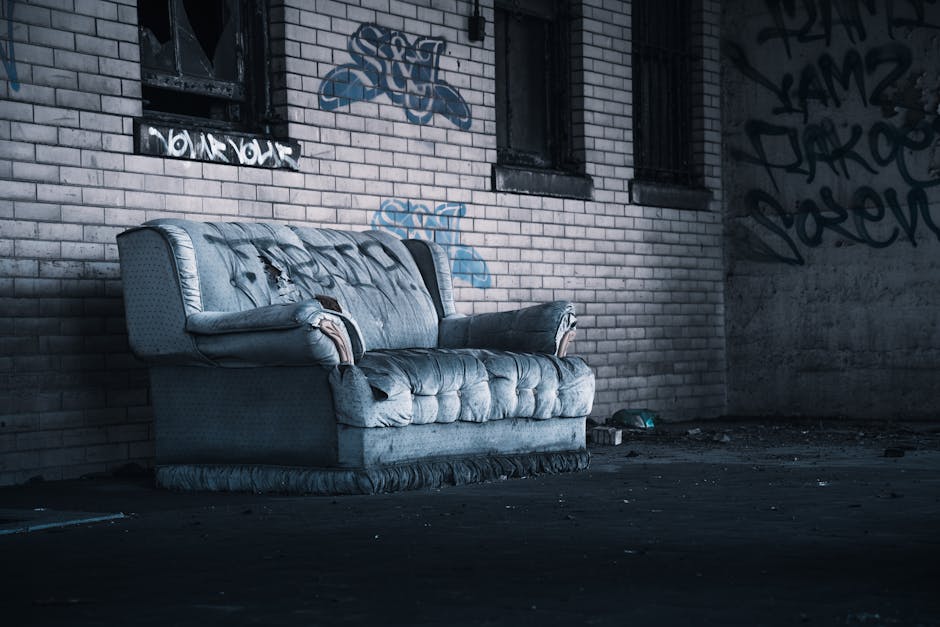
If you are a landlord in Hillingdon, furniture disposal can look deceptively simple. A mattress left in a hallway, a sofa dumped by the kerb, a tenant "almost" finished moving out, and suddenly you are dealing with legal risk, fly-tipping concerns, complaints, and a very awkward phone call. The basics of Hillingdon furniture disposal laws: landlord basics are really about this: knowing who is responsible, what counts as lawful disposal, and how to avoid turning a routine end-of-tenancy job into a mess.
This guide breaks the topic down in plain English. You will see what usually falls on the landlord, what tenants may be expected to handle, how waste and bulky furniture are commonly dealt with in practice, and where people trip up. It is written for real-world situations, not perfect textbook ones. Because let's face it, tenancies are rarely textbook.
Why Hillingdon furniture disposal laws: landlord basics Matters
Furniture disposal is not just a housekeeping task. For landlords, it can affect compliance, reputation, void periods, deposit disputes, safety, and even whether a property is ready to re-let. In a busy rental market, one abandoned wardrobe can delay cleaning, inspections, and viewings. It sounds minor. It never is.
Hillingdon, like every London borough, has local expectations around keeping streets clear and preventing illegal dumping. If bulky items are left on public land without proper arrangement, the consequences can be costly and time-consuming. A landlord who assumes "the council will just take it" may discover that the problem bounces straight back.
The other issue is responsibility. If furniture was left behind by a departing tenant, you still need a lawful, documented way to deal with it. That means checking the tenancy agreement, giving appropriate notice where needed, keeping records, and choosing a disposal route that is compliant rather than convenient. Convenience is lovely. Compliance wins.
There is also a practical side that gets overlooked. Safe lifting, proper sorting, and correct storage or disposal can prevent injuries and avoid damage to communal areas, stairwells, lifts, and parking bays. If you have ever tried to manoeuvre a heavy sofa down a narrow landing on a rainy afternoon, you will know exactly why planning matters. The sound of scraping fabric on a wall is not a memory anyone wants twice.
For landlords managing multiple units, student lets, HMOs, or flats, having a simple disposal process is one of those unglamorous systems that quietly saves money. It helps you move fast when a property is turned around, and it reduces the chances of arguments about who should have done what.
How Hillingdon furniture disposal laws: landlord basics Works
There is no single magic rule that covers every situation. Instead, furniture disposal in rental property usually sits across a few overlapping duties: property ownership, tenancy terms, waste rules, and safe handling practice. The main thing is to separate ownership of the item from responsibility for disposal. Those are not always the same.
If a tenant has genuinely abandoned furniture, the landlord should not just remove and bin it on the spot without thinking it through. The sensible approach is to identify what has been left, document it, and check whether the tenancy agreement says how abandoned goods are handled. In some cases, a landlord may be able to treat items as unwanted goods after giving notice. In others, especially where the tenancy has just ended or communication is messy, it is safer to get advice before acting.
For large items such as sofas, beds, mattresses, wardrobes, tables, and desks, disposal often falls into one of three routes:
- Re-use if the item is in acceptable condition and lawfully transferred or donated.
- Collection and recycling through a licensed waste route or bulky item service.
- Responsible disposal where the item is damaged, unsafe, or contaminated.
What you should avoid is the informal shortcut. A neighbour offering to "take it away", a van with no clear waste arrangement, or a pile left outside the block overnight can all create problems. If an item is fly-tipped, the original owner or responsible party may end up having to explain themselves. Not ideal, to say the least.
In practical terms, a landlord should think in stages: identify the item, confirm who owns it, decide whether it can be reused, choose a lawful disposal route, and keep records. That record-keeping sounds dull until you need it for a dispute. Then it becomes gold.
Key Benefits and Practical Advantages
When you handle furniture disposal properly, the benefits are bigger than most landlords expect. The obvious one is legal and operational protection. The less obvious one is calmer tenancies and smoother turnovers. Small difference on paper, big difference in real life.
- Fewer deposit disputes: clear records help you show what was left, removed, or charged for.
- Faster re-lets: a cleared property can be cleaned, photographed, and marketed sooner.
- Lower safety risk: no loose items blocking exits, hallways, or shared stairs.
- Better relations with neighbours and managing agents: no unsightly fly-tipping or awkward communal complaints.
- Improved sustainability: items in usable condition can be passed on or recycled rather than sent straight to waste.
There is also a financial angle. A rushed disposal job often costs more because it happens under pressure: last-minute collection, emergency access issues, extra labour, or damage to the property. Taking an hour to plan can save a half-day of chaos later. Truth be told, that is one of the easiest wins in property management.
For furnished lets, regular furniture checks also help you spot items that are nearly at end of life before they become urgent. A wobbly dining chair today can become a failed inspection tomorrow. Small maintenance, big peace of mind.
Who This Is For and When It Makes Sense
This advice is useful for any landlord who deals with rented furniture in Hillingdon, but it is especially relevant if you manage:
- fully furnished or part-furnished homes
- student lets with fast turnarounds
- HMOs where shared areas fill up quickly with unwanted items
- short-term lets or serviced accommodation
- properties where tenants leave items behind after check-out
- flats with awkward access, stairs, or limited loading space
It also matters when you are preparing for a refurbishment, an inventory refresh, or a change of tenant profile. For example, you may move from fully furnished to partly furnished, or replace older items with safer, more durable ones. At that point, disposal is not just a clean-out task; it is part of asset management.
Sometimes the need is immediate. A tenant moves out on a Friday afternoon and leaves a broken bed frame, an old armchair, and a freezer that no one wants. Sometimes it is slower and more awkward: a tenant says they will collect the item later, then does not. Both situations need a clear process. No drama, just procedure.
If you are a new landlord, this is the kind of issue that is easy to underestimate. If you are experienced, you probably already know the pattern. Either way, a simple playbook helps.
Step-by-Step Guidance
Below is a straightforward landlord process you can adapt. It is practical, not flashy.
- Inspect and record the items. Take dated photos, note condition, and list everything left behind. If there is damage, show that too.
- Check the tenancy agreement. Look for clauses covering abandoned goods, end-of-tenancy clear-outs, and tenant obligations.
- Separate furniture from general waste. A broken chair, a mattress, and a bag of mixed rubbish may each need different handling. Don't lump it all together.
- Decide whether the item can be reused, recycled, or disposed of. In practice, condition and hygiene usually decide this. If it smells damp or looks unsafe, re-use may be out of the question.
- Give the tenant a fair opportunity to collect belongings. Keep communication in writing. Be clear about deadlines and what happens next.
- Choose the right removal route. That could mean a licensed bulky-item collection, a moving team, or a clear-out service. If the property is tight for access, plan parking and loading first.
- Arrange lawful disposal or recycling. Make sure the items go to an appropriate route and not a casual drop-off.
- Keep proof. Keep invoices, dates, photographs, and messages. A neat file now saves a long argument later.
A lot of landlords also find it helpful to build furniture disposal into the move-out checklist itself. If you already have a routine for end-of-tenancy cleaning, add furniture removal to the same timeline. You can even align it with your packing and clearance workflow, much like the practical steps in your complete cleaning plan before moving out and the simple prep ideas in how to tidy up efficiently before relocating.
Expert Tips for Better Results
Over time, the landlords who stay out of trouble tend to do a few things consistently well.
- Photograph everything before and after. It sounds obvious, but many disputes start with fuzzy memories and no evidence.
- Use written notices, not casual texts only. A quick message is fine for speed, but keep the formal trail somewhere tidy.
- Build disposal into your inventory process. If an item is supposed to remain in the property, note it clearly. If not, identify it as removal risk.
- Plan access like a removal job. Narrow staircases, shared entrances, and parking restrictions can turn a simple job into a long morning.
- Choose appropriate handling for heavy or awkward items. Sofas, beds, and pianos all come with different risks. For heavier goods, it helps to use experienced movers rather than improvising with two people and optimism.
If an item has some value left in it, think carefully before calling it waste. A decent desk or chair may be reusable, and in some cases a tenant may prefer to collect or donate it. The key is to make that decision early, before the last bin lorry has gone past and everyone is in a rush.
One more practical point: if you are dealing with a block of flats, tell neighbours or the managing agent in advance if bulky items will pass through common areas. A few minutes of courtesy can prevent complaints and the old "who left this in the corridor?" conversation. Nobody enjoys that one.
For heavier loads or multi-room clear-outs, it can help to browse broader moving guidance as well, including expert strategies for a graceful stressfree move and simplify your move with essential packing tips. They are not landlord law guides, but they do help with the practical side of getting a property cleared without fuss.
Common Mistakes to Avoid
Most problems with furniture disposal come from rushing. A landlord is busy, the tenant is moving, the cleaner wants access, and everyone is trying to solve three things at once. That is exactly when mistakes creep in.
- Dumping items without checking ownership. If it might still belong to the tenant, pause and document.
- Assuming every bulky item is regular rubbish. Mattresses, sofas, and broken furniture often need separate handling.
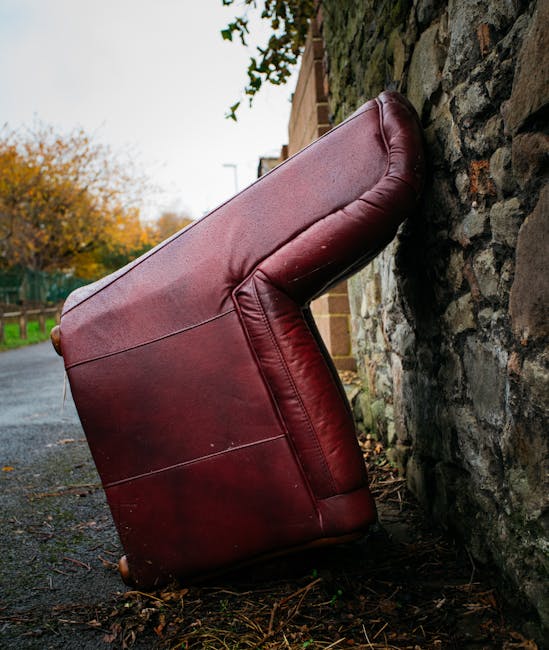
- Leaving items outside "for now". This can look like fly-tipping and creates a very visible problem.
- Ignoring access constraints. A sofa that fits in the room may still be awkward on the stairs or at the front door.
- Failing to keep evidence. Without photos or notes, you may struggle later if the tenant disputes charges.
- Relying on verbal agreements only. It is too easy for details to get lost once the move-out day is over.
A subtle mistake that people miss: treating damaged furniture as automatically worthless. Sometimes the frame, metal fittings, or reusable parts can be separated. Sometimes not. But if you do not assess it properly, you may spend more than necessary on disposal. That's a pain no one needs.
And yes, there is also the classic overconfidence trap. "It's only a quick job." Those are the famous last words before someone bangs a knuckle on a banister and the whole afternoon disappears.
Tools, Resources and Recommendations
You do not need a complicated toolkit, but you do need the right basics.
- Camera or phone camera: for dated condition photos before removal.
- Written checklist: to log items, dates, messages, and collection status.
- Measuring tape: useful for access checks, doorways, and stairwells.
- Basic protective gear: gloves, sturdy shoes, and, where needed, lifting aids.
- Inventory records: especially important if the property is furnished.
- Clear communication template: a short, polite notice to tenants about collection deadlines.
Landlords who manage removals often benefit from using a professional moving team for awkward or bulky items. If access is tight, a straightforward service can save time and reduce risk. You may also find useful background in decode West Drayton removals quotes and fees, especially if you are trying to understand how job scope affects cost and timing.
For properties that have several items to shift at once, broader support can also help. A reliable removals service in West Drayton may be more practical than piecing together one-off help for each item. And if the move is especially awkward, a man with a van in West Drayton can be a sensible option for small clear-outs, while larger loads may need a more structured team.
Law, Compliance, Standards, or Best Practice
Because this topic touches waste and landlord responsibility, caution matters. The exact legal position can depend on the tenancy agreement, the item left behind, and whether the goods are on private property or a public area. That means a careful approach is better than a quick assumption.
As a landlord, your main compliance priorities are usually:
- Do not treat potentially abandoned goods as rubbish without checking first.
- Do not leave furniture on pavements, communal landings, or shared areas.
- Use appropriate waste routes for disposal.
- Keep records if you charge a tenant or deduct from a deposit.
- Make sure anyone handling heavy items does so safely.
Best practice in landlord management is to use a written process. That may include a move-out inspection, a photo log, a notice period for collection, and a decision record showing how the item was handled. This is not just box-ticking. It creates fairness.
If you are dealing with furniture in a flat, be especially careful with communal spaces. There may be building rules as well as tenancy issues. Lift bookings, corridor protection, and timed access can matter more than people expect. If that sounds familiar, the practical guidance in highrise moves on Horton Road: lift access and timing and stair access solutions for West Drayton flats is worth a look for the access side of things.
And if van access or waiting space is likely to be a headache, parking and local permissions can become part of the job. The notes in Hillingdon council permits for moving vans in West Drayton and West Drayton moving day parking rules UB7 guidance are useful for planning, even if you are only shifting one or two bulky items.
Options, Methods, or Comparison Table
Landlords usually choose between a few disposal methods. Which one is best depends on condition, volume, urgency, and access. Here is a simple comparison.
| Option | Best for | Pros | Watch-outs |
|---|---|---|---|
| Tenant collection | Items that the tenant still wants and can remove promptly | Low cost, simple, keeps responsibility clear | Can drag on if deadlines are vague |
| Reuse or donation | Clean, safe, usable furniture | Less waste, better sustainability, may help goodwill | Needs condition checks and a clear handover |
| Bulky-item collection | Large items that are no longer suitable for use | Convenient, structured, usually easier for landlords | Needs booking, access planning, and correct disposal route |
| Professional removal team | Multiple items, difficult access, short turnaround | Faster, safer, less stress, better for heavy items | Costs more than doing it yourself, though often worth it |
For many landlords, the middle ground works best: reuse anything safe and presentable, dispose of the rest properly, and use professional help where access or weight becomes an issue. That approach usually feels calm, which is underrated in property work.
Case Study or Real-World Example
Picture a furnished two-bedroom flat in Hillingdon at the end of a tenancy. The tenant leaves on a Thursday evening. In the flat are a bed frame, a mattress, a small dining table, and a sofa with a rip down one arm. The tenant says they may collect the table "next week" but has not confirmed the day. Meanwhile, the new tenant is expected in five days.
A landlord who handles this well does the following. First, they photograph every item in place. Then they check the tenancy agreement and send a written message setting a clear collection deadline. They separate the sofa and mattress as disposal items, because those are unlikely to be reused in their current state. The bed frame is assessed for condition, then moved out safely. The table is held briefly, but only if the tenant confirms quickly and the date is realistic.
Because access is tight and there is a shared stairwell, they do not try to do it with a couple of borrowed hands and a wheeled trolley from the garage. They arrange proper support, use floor protection, and plan the route out of the building. The property is cleared on time, the cleaner gets in, and the check-in for the next tenant stays on schedule. No drama. No smashed plaster. That's the ideal, anyway.
What made the difference was not luck. It was sequence: record, confirm, decide, remove, document. Simple. Not always easy, but simple.
Practical Checklist
Use this quick checklist before any furniture disposal job:
- Confirm whether the items are tenant-owned, landlord-owned, or abandoned.
- Photograph each item before touching it.
- Check the tenancy agreement for disposal and notice clauses.
- Ask the tenant in writing whether they want to collect anything.
- Set a clear deadline and keep a copy of the message.
- Separate reusable, recyclable, and disposal-only items.
- Measure access points, stairs, lifts, and parking conditions.
- Choose a lawful disposal or removal route.
- Keep invoices, notes, and before-and-after photos.
- Arrange cleaning only after the furniture issue is resolved.
If you keep this list handy, the whole process becomes far less stressful. Small systems save a lot of headaches.
Conclusion
The core idea behind Hillingdon furniture disposal laws: landlord basics is straightforward: do not guess, do not rush, and do not leave bulky items to become someone else's problem. Record what is there, confirm ownership, follow the tenancy terms, and use a lawful disposal route that fits the item and the property. That is how you stay compliant, reduce disputes, and keep turnarounds moving.
Good landlords are rarely the ones doing dramatic rescues at the last minute. They are the ones with a sensible process, a few photos, and a clear written trail. A little boring, maybe. Very effective, definitely.
Get a free quote today and see how much you can save.