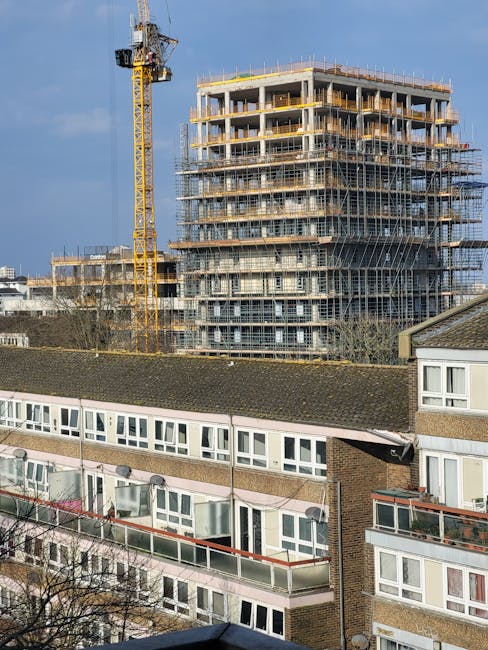
High-rise moves on Horton Road: lift access and timing
Posted on 14/05/2026
Moving into or out of a high-rise building is rarely as simple as turning up with boxes and hoping for the best. On Horton Road, where apartment blocks, shared entrances, tight loading spaces and lift schedules can all shape the day, lift access and timing become the difference between a smooth move and a long, frustrating one. If you have ever watched a removals team wait in a lobby while a lift is booked for someone else, you already know the feeling. It can quickly snowball.
This guide breaks down how to plan High-rise moves on Horton Road: lift access and timing properly, what to confirm in advance, which delays are most common, and how to keep the move calm and efficient. Whether you are moving a one-bedroom flat, a family apartment, or a heavy item that needs extra care, the same basics apply: clear access, realistic timing, and good coordination. Simple enough on paper. A bit less simple on moving day.

Why High-rise moves on Horton Road: lift access and timing Matters
In a low-rise house move, the main challenge is usually distance, packing, or parking. In a high-rise move, lift access changes the whole rhythm. One lift booked too late, one missing key fob, or one overlong loading slot can create a chain reaction: neighbours get annoyed, the concierge gets involved, and the removal crew starts losing precious minutes. It is not dramatic for the sake of it; it is just how buildings work.
Horton Road has the kind of residential mix where apartment moves need more coordination than people expect. Lift bookings, peak traffic hours, permit issues, estate rules, and building access controls all play into the day. If your belongings include awkward items such as wardrobes, mattresses, glass tables, or a piano, timing matters even more. A short wait can be manageable. Repeated delays are where damage risk and stress creep in.
There is also a safety angle. Moving furniture through communal areas, turning awkward corners, and sharing lifts with residents is harder than it sounds. Good planning reduces the chance of knocks, trips, and those small mistakes that turn into expensive problems. For a broader look at move preparation, you may find expert strategies for a graceful, stress-free move useful as a companion read.
Expert summary: In high-rise moves, the building schedule is just as important as the removal van schedule. If the lift is not ready, the whole move slows down, even when the team is fully prepared.
How High-rise moves on Horton Road: lift access and timing Works
A high-rise move usually follows a simple logic, but each building adds its own rules. You book the access, confirm the lift arrangements, plan the arrival window, then move in a sequence that keeps corridors clear and the lift available for everyone who needs it. That sounds neat. In reality, it takes a bit of back-and-forth.
Most buildings will ask for a move date, a time slot, and sometimes proof of insurance or details of the removals company. Some will want the lift protected with blankets or pads. Others may require you to use a service lift rather than a passenger lift. A few buildings have strict weekday-only or off-peak restrictions, especially where lifts are shared with many residents.
Timing normally falls into three phases:
- Before moving day: confirm booking rules, lift dimensions, parking arrangements, and any deposit or notice requirements.
- On the day: coordinate arrival so the crew starts when the lift is available, not half an hour before.
- During the move: keep a steady flow of boxes and furniture, avoid blocking the lift lobby, and prioritise bulky items while the lift is clear.
If you need a smaller, faster moving setup for a flat, the service page for flat removals in West Drayton is a helpful starting point. For general support across different property types, the removal services overview gives a broader sense of what can be arranged.
One practical detail that people forget: lift timings affect packing order. If the lift is only available for a short window, you want the heaviest or most awkward items first. Beds, wardrobes, appliances, and boxed books should not be left until the final 10 minutes. That is asking for trouble, truth be told.
Key Benefits and Practical Advantages
Good lift planning is not just about avoiding hassle. It brings real operational benefits that you can feel on the day. The move gets tighter, cleaner, and more controlled.
- Less waiting time: when the lift slot is confirmed, the team can work in rhythm rather than pause and restart.
- Lower risk of damage: shorter handling times mean fewer bumps on walls, door frames, and furniture edges.
- Better coordination with neighbours: a well-timed move is less disruptive in shared buildings.
- Faster loading and unloading: the van spends less time parked and more time doing useful work.
- Reduced stress: knowing the lift is booked and protected makes the whole day feel less chaotic.
There is also a hidden benefit: a smoother move usually means better decisions. When things are organised, you are less likely to rush, mislabel boxes, or stuff fragile items into the wrong place. If you are still packing, these packing tips can help keep the load order sensible.
For furniture-heavy moves, planning around lift timing becomes even more important. Large items such as sofas, wardrobes and beds need a bit of breathing room. If you want to understand how to protect larger pieces properly, furniture removals in West Drayton is a relevant service page, and sofa preservation advice can help if your living room set needs careful handling.
Who This Is For and When It Makes Sense
This kind of planning matters for anyone moving in or out of a multi-storey building, but some situations need it more than others. If you are on Horton Road and your building has controlled access, a lift booking system, or a shared loading bay, you are already in that category.
It makes especially good sense for:
- tenants moving into or out of flats
- homeowners in apartment blocks with strict management rules
- students moving into compact high-rise accommodation
- office teams relocating from upper floors
- people moving bulky or fragile items in shared buildings
Student moves, in particular, can be deceptively tricky because the volume is smaller but the timing can be tighter. If that sounds familiar, the student removals service may be a better fit than trying to juggle it all solo.
Sometimes the move is not large, just awkward. One bed, one sofa, one freezer, and a stack of boxes can still create a long day if the lift is slow or the building insists on a narrow window. If you have ever stood in a hallway with a mattress that will not turn the corner, you will know exactly what I mean. Not glamorous. Very real.
Step-by-Step Guidance
If you want the move to feel organised instead of improvised, work through the process in order. This is the part where a little discipline pays off.
1. Confirm building rules early
Ask the building manager, concierge, landlord, or estate office about lift bookings, access codes, loading restrictions, protective coverings, and allowed moving times. Do this as soon as you know your moving date. Do not leave it to the week of the move. There is nothing more annoying than discovering the lift must be booked 48 hours ahead after you have already arranged the van.
2. Measure the lift and the awkward items
Check lift door width, internal height, and turning space in the entrance lobby. Then compare that with your largest furniture pieces. Wardrobes, mattress bases, washing machines, and large desks can become the problem items. If an item will not fit safely, plan an alternative route or dismantle it in advance. For beds and mattresses, the guide on bed and mattress relocation is worth a look.
3. Build the move around the time slot, not the other way around
If your lift is only available for a particular period, use that as the centre of the plan. Arrange van arrival, parking, packing completion, and helper availability around it. The lift is not a detail. It is the schedule anchor.
4. Pack in a loading order
Group boxes by room and priority. Keep essentials accessible, but load the heaviest items first if the lift window is limited. That way the bulky items are out of the building before the slot closes. A good way to stay on track is to use the advice in how to tidy up efficiently before relocating, especially if you still have loose items scattered through the flat.
5. Protect communal spaces
Use blankets, corner protection, or lift pads if the building asks for them. Even when not required, a little protection reduces friction with neighbours and building staff. To be fair, a courteous move goes a long way in a shared block. People remember that.
6. Keep one person on access duty
Appoint someone to handle the door, lift call button, or concierge communication. It sounds small, but it prevents delays. In a busy building, a lost key fob or a missed call can stop the whole flow.
7. Leave a buffer
Build in extra time for late lifts, parking delays, or a resident needing to use the lift unexpectedly. A buffer protects the day from becoming a domino effect of tiny setbacks. That one extra half-hour can save you a lot of stress.
Expert Tips for Better Results
Experienced movers tend to think in terms of sequence, friction, and access. That is the simple version. Here are the habits that consistently help in high-rise jobs.
- Book the lift before booking the van if the building is strict. The van can usually wait; the lift often cannot.
- Label boxes by room and priority. It speeds up both loading and unloading.
- Separate fragile items from general furniture early. Do not leave breakables to the end when everyone is tired.
- Keep a small toolkit nearby. Allen keys, a screwdriver, tape, and a marker pen solve more problems than people expect.
- Use furniture covers and mattress bags. Shared lobbies, weather, and lift edges are not kind to upholstery or fabric.
- Plan for one-way movement. If the lift is only available in short bursts, try to avoid carrying things back and forth.
There is also a practical lifting point worth mentioning. Not every item should be attempted by one person just because it looks manageable. If you are unsure, don't risk it. A safe move is a smart move. For a deeper look at handling weight properly, solo lifting techniques and safe weight management guidance offer useful context.
If you are moving especially heavy items such as a piano, the rules change again. Lift access, floor protection, and timing all become more sensitive. In that case, it is usually wiser to use a specialist team. The article on why piano moves are best left to professionals explains the thinking well.

Common Mistakes to Avoid
Most high-rise moving problems are predictable. That is the good news. The bad news is that people keep making the same ones.
- Assuming the lift will be available on arrival. It often will not, especially in busy blocks.
- Forgetting to reserve parking or loading space. Even with a lift booked, a poor parking plan slows everything down.
- Underestimating the time needed to move bulky items. Sofas and beds take longer than a stack of boxes.
- Not checking dimensions. A few centimetres can decide whether an item fits safely.
- Leaving packing too late. The last hour before the move is not the time to start looking for tape.
- Ignoring building instructions. It can lead to complaints, fines, or denied access.
- Trying to force oversized items through a lift. This is where damage happens. To the item, the building, and sometimes your back too.
One common trap is assuming "we'll just make it work on the day." That approach is fine for ordering lunch, not for an apartment move with access controls. The safer approach is to confirm the awkward bits in advance, then move with the building rather than against it.
Tools, Resources and Recommendations
Good tools make high-rise moves feel less chaotic. You do not need fancy gear, just the right basics.
| Tool or resource | Why it helps | Best used for |
|---|---|---|
| Furniture blankets | Protects walls, lift interiors, and furniture surfaces | Sofas, wardrobes, tables |
| Mattress bags | Helps keep bedding clean in communal areas and lifts | Mattresses and divan bases |
| Trolley or sack truck | Reduces carrying strain and speeds up box movement | Heavy boxes, appliances, stacked items |
| Labels and marker pens | Keeps the load order clear | Room-by-room packing |
| Tool kit | Useful for dismantling and reassembly | Beds, desks, flat-pack furniture |
| Lift booking details | Prevents confusion on the day | Access control and timing |
For packing materials, the packing and boxes service is useful if you do not want to source everything yourself. If you are weighing up different moving support options, the man with a van service and the man and van option can suit smaller flat moves where timing still matters but the load is lighter.
For a bigger or more complex job, it may make sense to compare broader support options through the services overview or browse removals in West Drayton if you want a full-service approach. If your move needs to happen quickly, same-day removals may also be relevant, though lift access still needs checking first.
For larger household jobs, house removals can be more appropriate. And if you are moving one room at a time or downsizing, storage in West Drayton can take pressure off the lift schedule by letting you move in stages.
Law, Compliance, Standards, or Best Practice
High-rise moves do not usually involve complicated legal processes, but there are still important standards and expectations to respect. Building rules, access arrangements, and health and safety duties all matter. The exact requirements depend on the property and the managing agent, so it is sensible to confirm them early rather than assume.
From a practical UK perspective, a reputable removals team should work in a way that reduces risk to people and property. That generally means careful lifting, suitable equipment, sensible staffing, and respect for communal spaces. If a building asks for insurance details or method statements, that is normal. It is not red tape for the sake of it; it is part of managing shared environments responsibly.
It is also worth checking the company's own policies and credentials if you want extra reassurance. The site's health and safety policy, insurance and safety information, and terms and conditions are sensible places to look. If you are comparing providers, the removal companies page can help you understand the wider service picture.
Accessibility should also be kept in mind. A building may have step-free routes, but they are not always the same route you would choose instinctively. If there are shared entrances, ramp access, or specific lift instructions, follow them. The accessibility statement is a useful trust page to review if you are looking at how a provider approaches inclusive access.
Options, Methods, or Comparison Table
Not every high-rise move needs the same approach. The right method depends on the size of the load, the lift rules, and how much time you have available.
| Method | Best for | Pros | Watch out for |
|---|---|---|---|
| Lift-based move with booking | Most flat moves | Efficient, controlled, less strain | Can be delayed by shared access |
| Staged move with storage | Complex or phased relocations | Reduces pressure on one day | Needs extra coordination |
| Man and van support | Smaller loads or student moves | Flexible and cost-conscious | Limited capacity for large furniture |
| Full removals team | Family apartments, bulky furniture, office items | Better handling and structure | Usually needs more planning |
For a compact move with modest furniture, a smaller setup may be perfectly reasonable. For a full apartment with several heavy items, the more structured route often saves time in the end. If you are specifically moving office equipment from an upper floor, office removals may be the better comparison point.
Case Study or Real-World Example
Imagine a typical Horton Road flat move on a weekday morning. The resident has booked the lift for 9:00 to 11:00, arranged parking just outside the block, and prepared boxes the night before. The removal team arrives a little before nine, checks access with the concierge, and lays protection in the lift where required. Good start.
The first run carries boxes and soft items. By 9:25, the mattress and bed frame are ready, already dismantled and wrapped. Because the lift slot was planned properly, the team does not have to pause while someone hunts for a screwdriver or argues with a corridor corner. That is the key point. The move flows.
There is one small snag: a neighbour needs the lift for a shopping delivery. Instead of losing the morning to it, the move has a built-in buffer and the team switches to a short loading sequence for the van. A minute later, the lift is free again and the larger items go through. Nothing dramatic, just sensible timing. The whole move finishes on schedule, and the resident does not spend the afternoon doing damage control. Lovely when that happens.
If the same move had started late, or if the lift booking had not been confirmed, the day could easily have run over by an hour or more. That is the hidden cost of weak planning: not just time, but momentum.
Practical Checklist
Use this checklist before moving day. Print it, copy it into your notes app, scribble it on a bit of cardboard if you have to. Whatever works.
- Confirm lift booking details and time slot
- Check whether the building requires advance notice
- Ask about lift size, weight limits, or protection requirements
- Reserve parking or loading space where needed
- Measure awkward furniture before moving day
- Dismantle beds, tables, or other bulky items in advance
- Label boxes by room and priority
- Keep essential items separate for quick access
- Prepare blankets, straps, tape, and a basic tool kit
- Share access details with the removal team
- Allow a buffer for delays and lift sharing
- Check whether storage or staged delivery would make the move easier
For a final pre-move tidy, it may help to read the complete cleaning plan before moving out. And if the flat is full of small loose items that seem to multiply overnight, tidying up efficiently before relocating can save you that last-minute scramble.
Conclusion
High-rise moves on Horton Road are much easier when lift access and timing are treated as part of the move plan, not as background admin. Confirm the building rules early, measure the awkward items, build a realistic schedule, and leave room for a little human unpredictability. Because there is always a little. A lift gets held, a key is misplaced, somebody parks where they should not. It happens.
The good news is that most of the stress is avoidable. When access is organised, the removal day feels calmer, the team works faster, and your belongings are less likely to suffer from rushed handling. That is a very fair trade.
If you are planning a flat move, a student relocation, or a bulky furniture job and want the timing handled properly, it makes sense to speak with a team that understands shared buildings, access rules, and the practical realities of moving in and out of high-rise properties.
Get a free quote today and see how much you can save.
And if you are still in the planning stage, take it one step at a time. A well-timed move is not just easier on the day - it leaves you with a much better first evening in your new place, which matters more than people admit.