Bulky waste removal in West Drayton: legal options
Got an old sofa blocking the hallway, a mattress that has seen better days, or a fridge you've been meaning to deal with for months? You're not alone. Bulky items have a way of quietly taking over a home, a garage, or even a small office corner. And because they're awkward, heavy, and sometimes regulated, the question becomes bigger than just "how do I get rid of this?" The real issue is Bulky waste removal in West Drayton: legal options-what you can do, what you should avoid, and how to stay on the right side of local rules without creating more hassle for yourself.
This guide walks through the lawful ways to dispose of large household and commercial items in West Drayton, from reuse and recycling to licensed collection and skip hire. You'll also find practical steps, common mistakes, and a simple checklist to help you make a sensible decision. No fluff. Just the useful stuff, explained plainly.
To make the next step easier, it may help to think about your wider move or clear-out too. If you're also sorting furniture, packing, or planning a bigger relocation, the guides on removal services in West Drayton and furniture removals can be a good companion read.
Table of Contents
- Why Bulky waste removal in West Drayton: legal options Matters
- How Bulky waste removal in West Drayton: legal options Works
- Key Benefits and Practical Advantages
- Who This Is For and When It Makes Sense
- Step-by-Step Guidance
- Expert Tips for Better Results
- Common Mistakes to Avoid
- Tools, Resources and Recommendations
- Law, Compliance, Standards, or Best Practice
- Options, Methods, or Comparison Table
- Case Study or Real-World Example
- Practical Checklist
- Conclusion
- Frequently Asked Questions
Why Bulky waste removal in West Drayton: legal options Matters
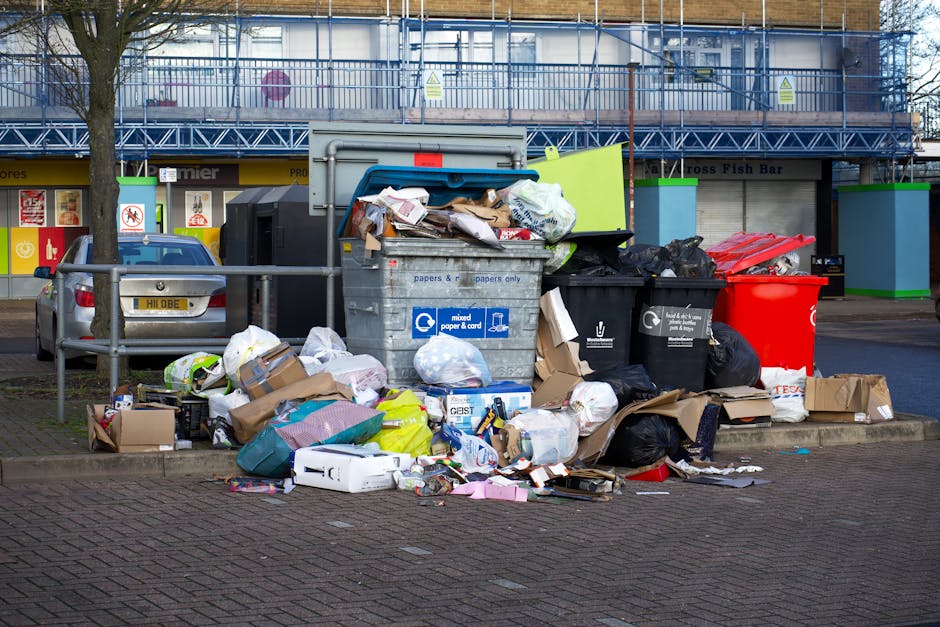
Bulky waste is not just "big rubbish." It often includes items that are difficult to lift, tricky to transport, and not suitable for your normal household bin collection. Think sofas, wardrobes, bed frames, mattresses, white goods, office chairs, filing cabinets, and broken outdoor furniture. One item can be manageable. Three or four? Suddenly the job becomes a small logistical project.
It matters because the wrong disposal route can lead to fly-tipping, blocked access, damage to communal areas, or a collection that simply gets refused. In a place like West Drayton, where many people live in flats, terraces, and mixed-use properties, bulky waste can become a neighbour issue very quickly. Nobody wants a sofa sitting by a communal bin store for days. It looks bad, it gets in the way, and frankly it invites complaints.
There's also the legal side. You are responsible for making sure waste is handled by someone authorised to take it. That includes checking that a collector is legitimate and that your items are being disposed of properly. It sounds boring. It is boring, a bit. But it saves you from the headache of discovering your old dining set has been dumped behind a hedge somewhere.
For many households, bulky waste removal is tied to a bigger life event: moving home, clearing a tenancy, or resetting a property after a renovation. If that sounds familiar, you may also find the advice in your complete cleaning plan before moving out useful, especially if you're trying to hand back a property in good order.
Key takeaway: The safest bulky waste route is the one that is convenient and legitimate. Legal disposal protects you from fines, protects the environment, and avoids unpleasant surprises later.
How Bulky waste removal in West Drayton: legal options Works
In practice, there are several lawful ways to deal with large items in West Drayton. The right choice depends on what you're throwing away, how quickly you need it gone, and whether the item can be reused, recycled, or must go to disposal. Truth be told, the most efficient route is often the one that starts with sorting rather than lifting.
1. Reuse or donation where suitable
If an item is still usable-say, a sofa with solid structure, a table in decent condition, or a wardrobe that only needs a clean-reuse is often the best first step. It keeps useful goods in circulation and reduces disposal costs. That said, be realistic. A sofa with deep damage, odour, or broken springs is usually not a donation candidate.
2. Licensed bulky waste collection
This is the most straightforward legal option for many people. A licensed operator collects your bulky items and takes them for sorting, recycling, or disposal. The advantage is simple: they handle the lifting, loading, and transport. If your item is heavy, awkward, or located up stairs, this can save a lot of strain. For anyone planning a larger clear-out, the service model described on man with a van in West Drayton is often relevant because it bridges collection, transport, and practical labour.
3. Council or local authority collection routes
Many residents look for a council bulky waste collection option first. The exact process can vary, so check the current local process directly before assuming anything. These collections are usually designed for domestic items, not commercial quantities. They can be good if you only have one or two pieces and you're not in a rush. The trade-off is usually timing and item restrictions.
4. Recycling centre drop-off
If you have access to suitable transport, taking the items to a recycling or waste facility can be a practical option. This is especially true for smaller bulky items or those you can safely break down first. A van, trailer, or a properly loaded car can make a surprising difference here. If you need a vehicle with space, the page on removal van options in West Drayton may be a helpful reference point.
5. Skip hire for ongoing or mixed waste
If you are clearing a property, renovating, or disposing of mixed waste over several days, a skip can be practical. But skips are not always ideal for one or two large objects, especially if the item is too heavy to lift safely or needs careful dismantling first. They also require enough space for delivery and collection. On a tight street, that alone can be the deciding factor.
6. Specialist removal for awkward items
Some bulky waste needs specialist handling. Think pianos, very heavy wardrobes, oversized desks, or items with awkward access. In those cases, a specialist removals approach can be safer and faster than trying to improvise. For particularly difficult furniture, the page on furniture removals West Drayton is directly relevant, and for very weight-sensitive jobs the guide on safe lifting techniques offers good practical background.
Key Benefits and Practical Advantages
Choosing the legal route for bulky waste is not just about ticking a compliance box. It makes the whole process more predictable. That matters more than people realise when a hallway is full of broken bits and you're trying to keep the rest of life moving.
- Less risk of fines or complaints because the waste goes through a proper route.
- Safer handling for items that are too heavy or awkward to move alone.
- Cleaner results since legal disposal usually includes sorting and proper downstream handling.
- Better for the environment when reusable or recyclable items are diverted away from landfill where possible.
- Less stress during moves, end-of-tenancy clear-outs, or office changes.
There is also a practical hidden benefit: less wasted time. If you have ever tried to dismantle a bed frame at 9pm with one missing screwdriver bit and a lot of regret, you'll know what I mean. Getting the right help early can turn a messy job into a manageable one.
And if your bulky item is still in decent condition, preserving it or preparing it properly may be a better option than disposal. A sofa, for example, can often be protected or transported more cleanly if it is being moved rather than thrown away. The article on sofa care and long-term preservation is useful if you are deciding between keeping and replacing.
Who This Is For and When It Makes Sense
Bulky waste removal in West Drayton is relevant to a surprisingly wide group of people. It is not just for big clear-outs or full house moves.
Homeowners
If you are replacing old furniture, clearing a garage, or finally dealing with the broken tumble dryer in the corner, a legal removal option keeps the job simple.
Tenants and landlords
End-of-tenancy deadlines can be unforgiving. A tenant may need to remove unwanted furniture quickly before checkout, while landlords may need to clear left-behind items between occupancies. In those cases, speed and documentation matter. A structured approach helps avoid disputes later on.
Students and flat sharers
Shared homes are famous for accumulated clutter. One person leaves a mattress behind, someone else has a desk nobody wants, and suddenly it becomes a group problem. If you're in that stage, the page on student removals in West Drayton can be a sensible starting point.
Small offices and shop premises
Office furniture, filing units, desks, and old equipment need proper disposal too. Commercial items often need a slightly different approach from domestic waste, especially if access is tight or the building has shared corridors. For these jobs, office removals in West Drayton may be more relevant than a simple domestic collection.
People preparing for a move
If you are already moving house, bulky waste is often the bit that gets left until the end. That's understandable. It's not glamorous. But the earlier you sort it, the easier the move feels overall. A good moving plan, such as the one in expert strategies for a stress-free move, can help you avoid that last-minute rush.
Step-by-Step Guidance
If you want the process to run smoothly, use this practical sequence. It keeps the job manageable and reduces the odds of poor decisions made in a hurry.
- List the items
Walk through the property and note every bulky item. Be specific: "three-seat sofa," "double mattress," "wardrobe with mirror," not just "furniture." - Sort by condition
Separate items that could be reused, repaired, or donated from those that are genuinely waste. - Check access
Measure doors, stairwells, lifts, and tight corners. This is where jobs often get more difficult than expected. One inch can matter, annoyingly enough. - Choose the legal route
Compare collection, drop-off, skip hire, or specialist removal. Base it on volume, urgency, and item type. - Ask the right questions
If using a paid collector, confirm what happens to the waste, whether loading is included, and whether there are item restrictions. - Prepare the items
Remove loose parts, empty drawers, and separate sharp or fragile components. If relevant, wrap or protect surfaces to avoid damage during removal. - Schedule and supervise
Be present if needed, especially for access through shared areas or when items are large enough to risk scuffs. - Keep a record
For business premises or tenancy matters, hold onto booking details, receipts, or confirmation messages.
If the bulky item is part of a larger packing and moving job, it may help to look at practical packing tips and packing and boxes in West Drayton so the disposal work fits into the move rather than sitting awkwardly beside it.
Expert Tips for Better Results
Here's the sort of advice that tends to save time, money, and a bit of backache.
- Measure first, lift later. A bulky item that won't fit through a doorway becomes a dismantling task, whether you planned for that or not.
- Group items by handling method. Sofas, mattresses, white goods, and flat-pack furniture all move differently.
- Use the right vehicle. If you have several large pieces, a suitable van is often more efficient than multiple car trips.
- Be honest about weight. "Probably manageable" is not the same as safe. If it feels too heavy, it probably is.
- Keep shared spaces clear. In flats or managed buildings, don't leave bulky waste in corridors or communal entrances while waiting for collection.
A small but useful habit: take a quick photo of the items before they leave. It sounds almost too simple, but in real life it helps with records, landlord handovers, or just remembering what was cleared. Human memory is not always the best archive, let's face it.
If you are moving heavy or delicate items at the same time, it can be worth reading why professionals handle pianos carefully and how to move beds and mattresses properly. The same principle applies: awkward items reward planning.
Common Mistakes to Avoid
Most problems in bulky waste disposal are preventable. They usually happen because people are rushing, guessing, or assuming that "someone will sort it out." That's the dangerous bit.
- Leaving items on the pavement without a proper collection plan. That can create obstruction and may be treated as fly-tipping in the wrong context.
- Using an unlicensed collector. If they dump it illegally, you may still have questions to answer.
- Underestimating access issues. Stairs, narrow halls, and parking restrictions can turn a simple job into a difficult one.
- Forgetting to separate reusable items. A decent chair or shelf might be better passed on than thrown away.
- Trying to lift alone when the item is clearly too heavy. It is never worth the strain. Never.
- Not checking the rules for business or rented properties. Landlords, managing agents, and leaseholders often have additional expectations.
A lot of these mistakes are about timing. People leave bulky waste until the last possible moment, then the pressure makes them less careful. If that sounds familiar, the piece on tidying up before relocating may be a useful nudge to start earlier next time.
Tools, Resources and Recommendations
You do not need a truckload of specialist equipment to handle bulky waste well, but a few basics make a big difference.
Useful tools
- Work gloves for better grip and to avoid scrapes.
- Measuring tape for doors, lifts, and corridor widths.
- Furniture blankets or wrapping if items are being carried through the home.
- Basic screwdriver set for dismantling beds, shelving, and flat-pack furniture.
- Trolley or sack truck for heavier items, where suitable and safe.
Helpful planning resources
If your bulky waste is part of a larger move or property clearance, the following pages can help you plan more effectively:
- services overview for a wider sense of available support
- removals in West Drayton if the job is bigger than disposal alone
- same-day removals if timing is tight
- storage in West Drayton if you need to move items out temporarily while you decide what stays
- recycling and sustainability for a practical mindset on reuse and diversion from waste
One thing worth saying: if an item is still useful, storing it for a bit can be smarter than rushing to dispose of it. That is especially true during a move, where decision fatigue is real. You think you are done, and then a whole chair appears from nowhere. Oddly common.
Law, Compliance, Standards, or Best Practice
While this article is practical rather than legal advice, there are some clear principles worth following in the UK. The main one is simple: waste should be handed over to someone who is authorised to carry it, and you should make a reasonable effort to ensure it will be handled properly. If you are arranging collection, that means checking legitimacy rather than just picking the cheapest option because, well, cheapest is not always cheapest in the long run.
Best practice also includes safe handling, proper loading, and avoiding obstruction in shared or public spaces. In rented buildings, you may also need to follow lease or management rules about where waste can be left and when it can be collected. For businesses, you should be particularly careful about records and responsible disposal of office items.
On the safety side, a reputable service should have a clear approach to handling awkward, heavy, or sharp items. That is where a strong health and safety policy and sensible insurance and safety information matter. They tell you the operator takes the job seriously, which is exactly what you want when someone is carrying a bulky wardrobe through a narrow staircase.
If a collector or mover is transparent about their terms, that is a good sign too. You can review the broader service expectations via the terms and conditions, and if you ever need clarification on service standards, the complaints procedure shows there is a formal route if things do not go as planned.
There is also a sustainability angle here. Good bulky waste handling should aim to reuse or recycle where possible, not just dump everything into the nearest disposal stream. That is the standard most careful operators aim for, even when the job itself is small.
Options, Methods, or Comparison Table
If you are deciding between legal disposal routes, this simple comparison may help. The best option usually depends on speed, item type, and how much lifting you want to do yourself.
| Option | Best for | Pros | Limitations |
|---|---|---|---|
| Reuse or donation | Usable furniture and household items | Lowest waste, potentially no disposal cost | Only works if condition is acceptable |
| Licensed bulky waste collection | Most domestic clear-outs | Convenient, less lifting, compliant route | May have item restrictions or booking lead times |
| Recycling centre drop-off | Smaller loads with transport available | Good control over timing and sorting | Requires your own vehicle and loading effort |
| Skip hire | Renovations, mixed waste, ongoing clear-outs | Flexible over several days | Space needed; not ideal for one-off heavy items |
| Specialist removal | Pianos, very heavy furniture, awkward access | Safer for difficult jobs | Usually costs more than basic collection |
If your item is especially awkward, such as a grand piano, the dedicated page on piano removals in West Drayton is a better fit than a general waste route. Different job, different logic.
Case Study or Real-World Example
Picture a typical West Drayton flat clear-out. A tenant is moving at the end of the month and needs to deal with a sofa, a bed frame, and a mattress. The sofa is too bulky for a hatchback, the bed frame is partly dismantled but still awkward, and the mattress is simply too large to drag down two flights of stairs without risking damage.
Instead of trying to handle everything separately, the tenant sorts the items by condition first. The sofa is no longer usable, the bed frame can be broken down further, and the mattress is clearly waste. They check whether any item can be reused, then choose a licensed collection option with loading included. The moving day becomes cleaner and far less stressful because the waste is dealt with in one planned visit rather than three improvised trips.
That sounds obvious once it is done. Beforehand, though, it often feels messy and uncertain. The useful lesson is this: bulky waste disposal is much easier when it is folded into the move plan, not treated as an afterthought.
If the household is also moving furniture or packing the rest of the home, the guide on how to tidy efficiently before relocating can help keep the whole process under control. Small wins add up.
Practical Checklist
Use this quick checklist before you book any bulky waste removal in West Drayton:
- Identify every item that needs to go.
- Check whether any item can be reused, repaired, or donated.
- Measure large items and access routes.
- Decide whether you need lifting help, a van, or specialist handling.
- Confirm that the chosen collector or mover is legitimate and suitable for the job.
- Remove personal items, drawers, shelves, and loose parts.
- Protect floors, walls, and shared areas if items will pass through them.
- Keep booking details and receipts for your records.
- Do not leave waste in a place where it blocks access.
- Double-check timing, especially if you are on a move-out deadline.
That's the short version. The long version is simply: plan first, lift second.
Conclusion
Bulky waste removal does not have to be a stressful, risky, or messy job. Once you understand the legal options, the decision becomes much clearer: reuse what you can, dispose of what you must, and choose a route that is safe, legitimate, and realistic for the item in front of you. In West Drayton, that might mean a licensed collection, a van-assisted clear-out, a drop-off run, or a specialist removal for awkward furniture.
The best choice is rarely the one that feels rushed. It is the one that fits the item, the access, your schedule, and your peace of mind. And if you are already juggling a move, tenancy deadline, or office clearance, getting the bulky waste sorted early can make the whole week breathe easier.
Get a free quote today and see how much you can save.
Sometimes the smallest decision, like clearing one heavy sofa out of the way, makes the rest of the job feel lighter. Funny how that works.
Frequently Asked Questions
What counts as bulky waste in West Drayton?
Bulky waste usually means large items that will not fit into normal household bins. Common examples include sofas, mattresses, wardrobes, tables, chairs, appliances, and large office furniture.
What is the safest legal way to get rid of bulky waste?
The safest route is to use a legitimate collection service, council-approved option where available, or a reputable remover who can transport the items responsibly. Always make sure the waste is handed to someone authorised to take it.
Can I leave bulky waste outside my property for collection?
Only if you have arranged a proper collection and know the local rules for where it can be placed. Leaving items out without a plan can create obstruction and may cause complaints.
Is it legal to take bulky waste to the tip myself?
Yes, in many cases it is legal to transport your own waste to a suitable facility, provided you follow the site's rules and load the items safely. Check that your vehicle can carry the load and that the items are accepted.
How do I know if a bulky waste collector is legitimate?
Look for clear business details, transparent terms, and a sensible approach to handling and disposal. If anything feels vague or rushed, that is a warning sign.
What should I do with a sofa or mattress that is still usable?
If the item is in decent condition, consider reuse or donation first. If that is not realistic, then choose a lawful removal or recycling route. The condition of the item usually decides the best path.
Do I need a van for bulky waste removal?
Not always, but a van makes a big difference if the item is large, heavy, or too awkward for a car. It is also helpful if you have more than one item or need a single trip solution.
How much does bulky waste removal usually cost?
Costs vary depending on the item, access, lifting difficulty, and how quickly you need the job done. It is better to ask for a clear quote than to assume a rough figure will stay rough.
Can bulky waste be removed on the same day?
Sometimes yes, especially if the service has availability and the job is straightforward. Same-day collection is more likely when access is easy and the items are already prepared.
What happens if I use the wrong disposal route?
If waste is dumped illegally or handed to the wrong person, you could face complaints or further questions about the disposal. That is why checking the route and the collector matters.
Is bulky waste removal different for offices and shops?
Yes, commercial premises often have different expectations, especially around access, records, and the scale of waste. Office chairs, desks, and storage units may need a more structured removal plan.
What should I prepare before the collection arrives?
Measure access, remove personal items, dismantle furniture where possible, and keep hallways clear. A little prep makes the whole job quicker and safer, especially in tight flats or shared buildings.